
Master Inbound Lead Generation Without Breaking the Bank
The Foundations of Inbound Lead Generation
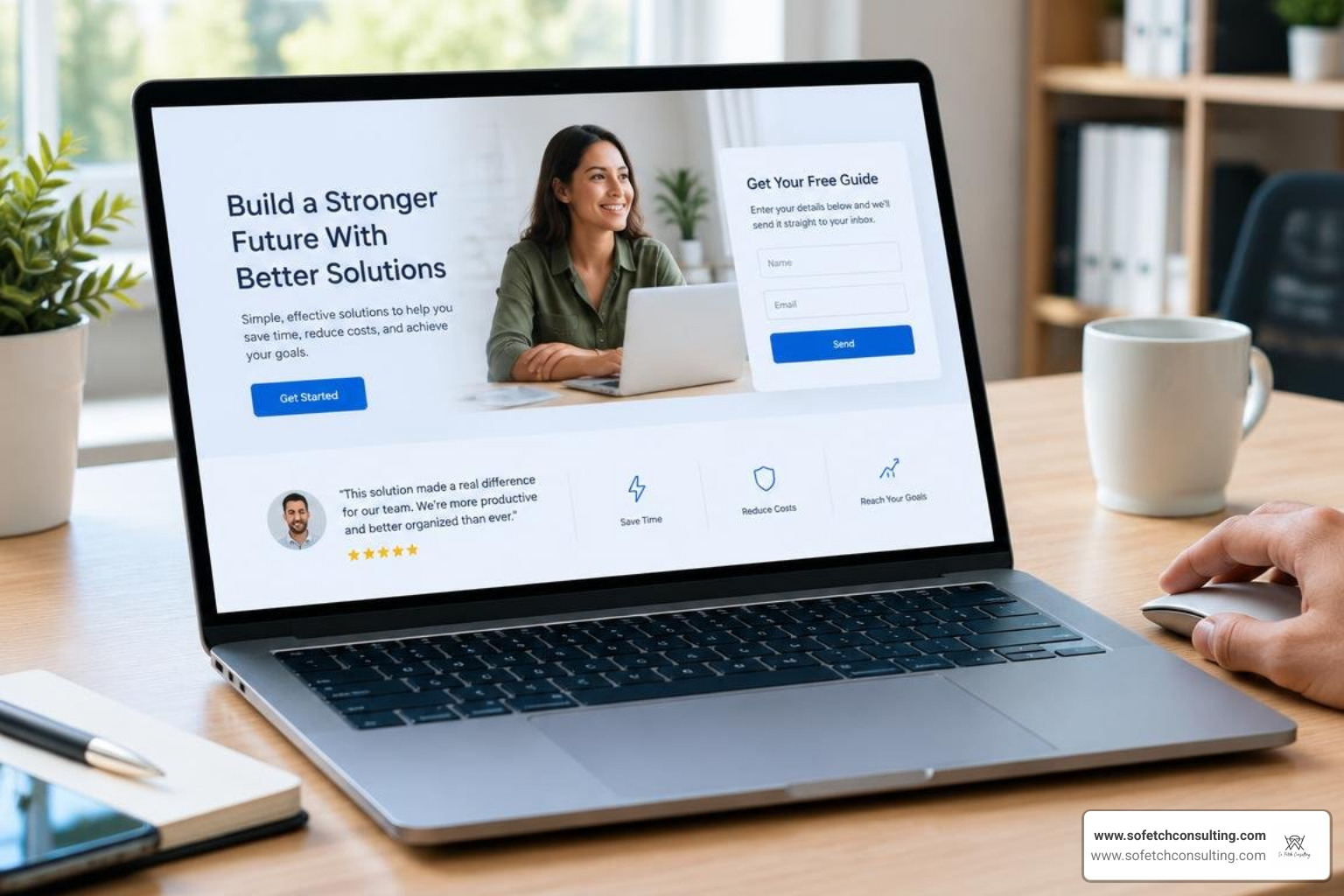
Inbound lead generation is the practice of attracting potential customers by creating helpful content and experiences tailored to their needs, then converting those visitors into leads through forms, calls to action, and other permission-based touchpoints. It works because buyers research solutions independently long before talking to a human sales rep, and when you supply the answers to their specific questions, you earn their trust. That trust directly impacts your bottom line. Industry data shows that inbound leads achieve an average close rate of around 14.6%, compared to a meager 1.7% for outbound cold outreach. Furthermore, content-driven inbound strategies typically reduce cost per lead by over 60% compared to traditional push tactics because your published assets continue working long after you create them.
Inbound vs Outbound: Core Differences
Let us cut through the marketing jargon and be completely real. Outbound marketing is like shouting with a megaphone in a crowded grocery store hoping someone wants to buy dog kibble right this second. It interrupts people with cold phone calls, unsolicited direct mail, and unexpected ads. Inbound marketing, by contrast, is stocking the exact brand of kibble your neighbor is searching for on their phone, putting up a clear sign, and leaving the door wide open.
Inbound relies on permission marketing and education. Buyers research solutions independently long before talking to a human sales rep. When you supply the answers to their specific questions, you earn their trust. That trust directly impacts your bottom line. Industry data shows that inbound leads achieve an average close rate of around 14.6%, compared to a meager 1.7% for outbound cold outreach. Furthermore, content-driven inbound strategies typically reduce cost per lead by over 60% compared to traditional push tactics because your published assets continue working long after you create them.
| Metric / Dimension | Inbound Lead Generation | Outbound Lead Generation |
|---|---|---|
| Prospect Mindset | Actively researching solutions; high purchase intent | Interrupted during daily routine; low immediate intent |
| Average Close Rate | Approximately 14.6% | Approximately 1.7% |
| Cost Per Lead (CPL) | Lower over time (compounding evergreen assets) | Higher (requires continuous media or labor spend) |
| Trust Dynamic | High (buyer invited your expertise) | Skeptical (buyer must be persuaded to listen) |
| Pipeline Velocity | Self-paced research followed by fast decision-making | Requires prolonged sales rep persistence |
While outbound can produce immediate spikes, inbound builds a sustainable asset base. Pairing targeted outreach with inbound content often delivers the best overall stability, but inbound provides the long-term compounding returns that keep small teams sane.
Core Stages of the Inbound Lead Generation Funnel
Building an inbound engine is not about throwing spaghetti at the wall. It requires a deliberate, multi-stage path that respects how real people buy. When you streamline your marketing lead generation, you guide visitors through four distinct phases:
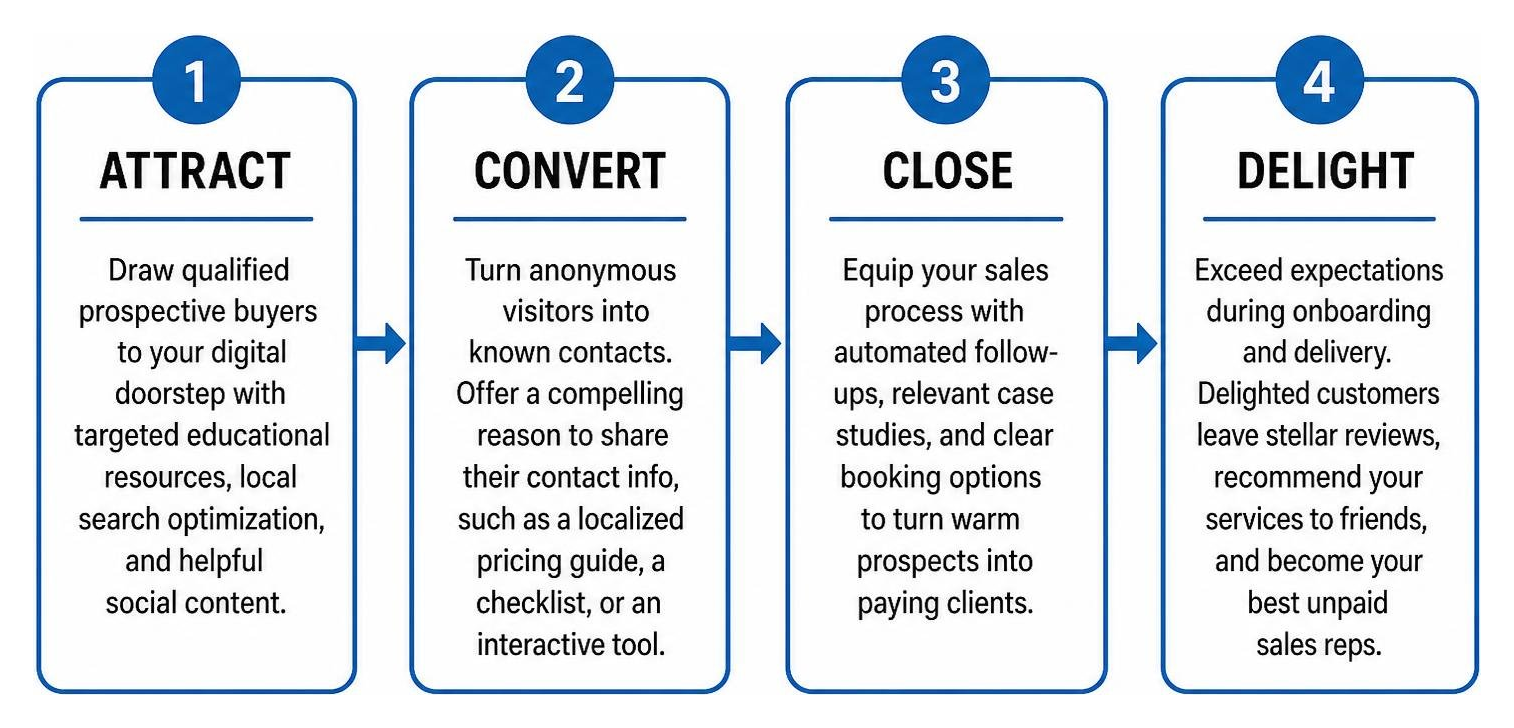
- Attract: Draw qualified prospective buyers to your digital doorstep using targeted educational resources, local search optimization, and helpful social content. You want the right eyeballs, not just high vanity traffic numbers.
- Convert: Turn anonymous visitors into known contacts. When a visitor discovers your solution, offer them a compelling reason to share their contact info, such as a localized pricing guide, a behavioral training checklist, or an interactive tool.
- Close: Equip your sales process with automated follow-ups, relevant case studies, and clear booking options to turn warm prospects into paying clients without awkward high-pressure tactics.
- Delight: Exceed expectations during onboarding and delivery. Delighted customers leave stellar reviews, recommend your services to friends, and become your best unpaid sales reps.
High-Impact Strategies to Drive Predictable Inbound Growth
High-ROI Inbound Lead Generation Channels for Small Budgets
You do not need a massive corporate marketing budget to pull in consistent, qualified leads. In fact, organic search, website content, and blogs consistently rank as the top ROI-producing channels for B2B and service-based businesses.
To make the most of every dollar, focus on these high-impact channels:
- Search Engine Optimization (SEO) & Topic Clusters: Avoid the common trap of chasing broad, generic search terms that bring casual browsers with zero buying intent. Focus on high-intent commercial queries. Build comprehensive topic clusters around core services, such as puppy socialization programs, local commercial cleaning, or specialized consulting.
- Smart Paid Search (SEM) & Account Precision: When you do put dollars behind ads, aim with surgical precision. Tightening targeting criteria can cut cost per click dramatically while saving hours per week compared to broad, wasteful ad campaigns.
- Social Content & Micro-Influencer Partnerships: You do not need celebrity endorsements. Brands often generate their highest influencer ROI by partnering with niche micro-influencers who have between 10,000 and 100,000 engaged followers.
- In-Depth Content Resources & Virtual Events: Tactical webinars, downloadable toolkits, and detailed pricing calculators establish your authority quickly. Well-structured virtual events routinely convert 20% to 40% of attendees into marketing qualified leads.
Conversion Optimization and Lead Capture Assets
Getting people to your website is only half the battle. If your conversion path feels like an escape room, visitors will simply leave.
A winning landing page needs a few essential elements:
- Frictionless Forms: Keep your forms short. Research shows that reducing form fields from five down to three noticeably increases completion rates without hurting lead quality. Ask only for what you need to start the conversation.
- High-Converting Platform Formats: Native capture mechanisms often beat clunky third-party pages. For example, LinkedIn Lead Gen Forms convert at roughly 13% compared to the standard 2% rate seen on external landing pages.
- Strong Social Proof: Display real client reviews, case study metrics, and badges right next to your call to action to eliminate last-second hesitation.
- Laser-Focused Lead Magnets: Replace generic newsletters with tangible, immediately useful assets such as localized cost calculators or step-by-step audit checklists. To design campaigns that attract enterprise buyers, examine a structured B2B lead generation strategy tailored to multi-stakeholder decisions.
Qualifying, Scoring, and Managing Your Inbound Pipeline
Distinguishing MQLs from SQLs
Not every person who downloads a checklist is ready to hand over their credit card. Treating every casual reader like an immediate buyer annoys your prospects and burns out your team. This is why clear lead qualification matters.
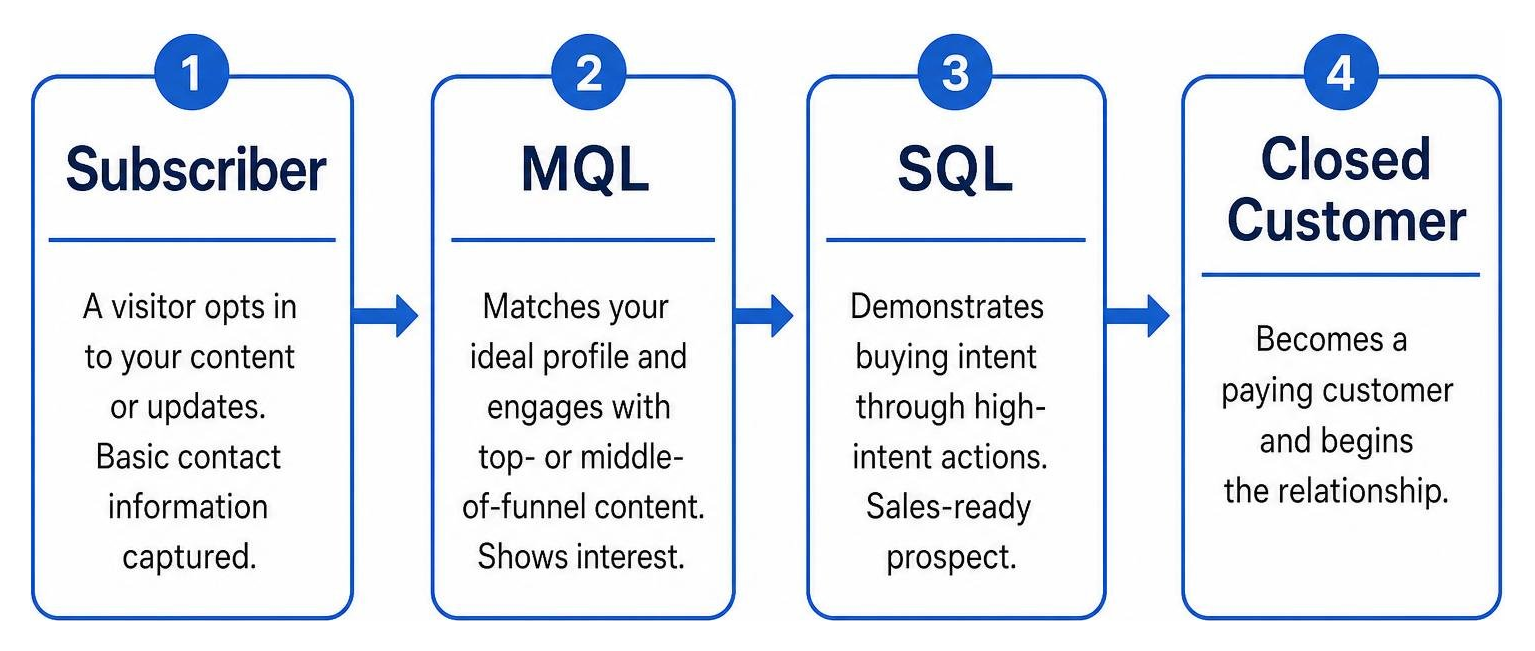
- Marketing Qualified Lead (MQL): A contact who matches your ideal demographic profile and has engaged with top- or middle-of-funnel content, such as downloading a whitepaper or attending a webinar. They show interest, but they have not asked to buy yet.
- Sales Qualified Lead (SQL): A prospect who has demonstrated direct buying intent, such as submitting a demo request, asking for pricing, or viewing multiple high-intent service pages within a few hours.
To separate tire-kickers from serious buyers, score leads across two criteria: Fit (company size, location, industry, or budget) and Intent (actions taken, page views, and form submissions). When teams use precise scoring models, the results speak for themselves: Snowflake achieved 90% higher opportunity rates and doubled customer conversion rates on scored accounts, while Spekit accelerated qualification speeds by 58% on top-tier prospects.
Lead Response and Nurturing Workflows
Speed is everything when someone raises their hand. Companies that contact an inbound lead within the first hour are significantly more likely to qualify that prospect than those that drag their feet. In fact, research shows that following up within 60 minutes makes a business seven times more likely to have a meaningful sales conversation.

To keep your pipeline moving without working 24 hours a day:
- Automate Speed-to-Lead: Momentive cut its internal speed-to-lead from 20 minutes down to just 60 seconds by implementing automated routing and instant lead enrichment.
- Use Progressive Profiling: Instead of hitting first-time visitors with a 10-field questionnaire, capture a name and email upfront. Collect additional details on subsequent visits as you deliver more value.
- Trigger Behavior-Based Sequences: Send automated email follow-ups based on specific actions, like viewing a pricing page or finishing a webinar, rather than dumping everyone into a generic weekly newsletter.
Leveraging AI, Data Quality, and Sales Alignment in 2026
AI-Assisted Content and Lead Nurturing
Artificial intelligence in 2026 is no longer about generating robotic, generic articles that search engines ignore. Smart teams use AI to personalize buyer journeys and automate real-time interactions.
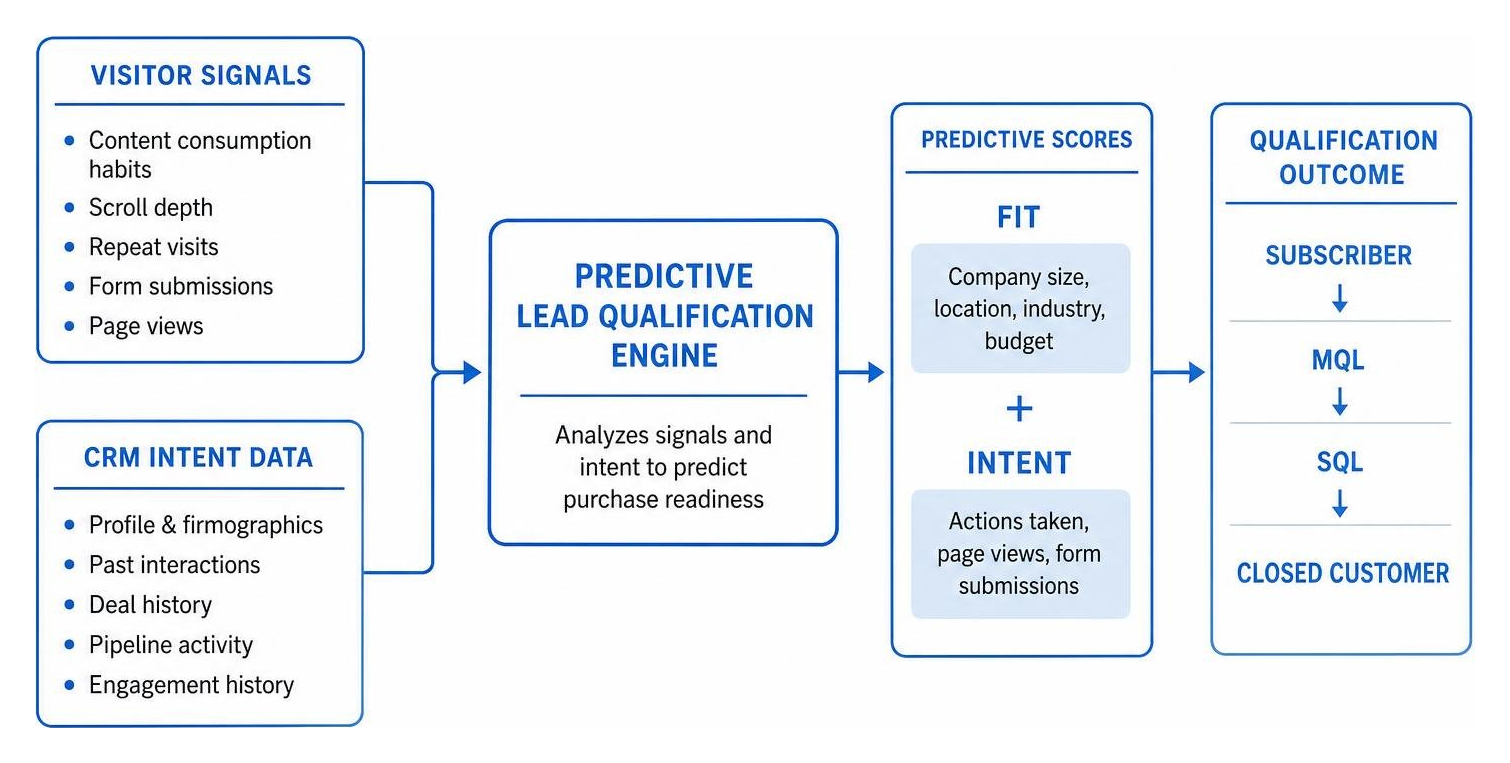
Modern AI systems evaluate behavioral signals, such as content consumption habits, scroll depth, and repeat visits, to calculate predictive purchase readiness. Context-aware conversational assistants can answer specific visitor questions at midnight, book appointments directly onto your calendar, and route high-value prospects straight to sales reps.
Sales and Marketing Service Level Agreements
A brilliant marketing strategy falls apart if sales ignores inbound inquiries, or if sales expects every download to be an immediate purchase. A formal Service Level Agreement (SLA) between teams fixes this friction.
- Agree on Shared Definitions: Document exact qualification criteria for MQLs and SQLs so there is zero ambiguity.
- Set Response Time Standards: Establish strict expectations for how quickly your team follows up on demo requests or consultation calls.
- Create Continuous Feedback Loops: Hold regular review sessions where sales gives marketing feedback on lead quality, helping marketing refine audience targeting. When teams match their inbound programs to verified intent signals and shared data, they can significantly boost MQL volume and pipeline opportunities.
Frequently Asked Questions About Inbound Marketing
How long does it take to see results from inbound marketing?
Inbound marketing is a compounding investment, not an overnight trick. While targeted paid search campaigns and interactive promotions can produce qualified inquiries within weeks, a full organic SEO and content engine typically requires three to six months to build noticeable traction. By month nine to twelve, published evergreen assets continue generating inbound inquiries with minimal extra cost.
What are the most critical metrics to measure inbound success?
Look past vanity numbers such as raw page views or social media likes. Track business metrics that matter to cash flow:
- Visitor-to-Lead Conversion Rate: The percentage of website visitors who share their contact info.
- Cost Per Lead (CPL): Total marketing investment divided by total leads generated.
- Lead-to-Opportunity Rate: The proportion of inbound leads that turn into legitimate sales conversations.
- Customer Acquisition Cost (CAC): Total sales and marketing spend required to sign a new paying customer.
- Pipeline Revenue: The actual dollar value of closed deals originating from inbound channels.
Can small businesses succeed with inbound tactics on a tight budget?
Yes. Small businesses often have an edge over huge brands because they can move faster and speak directly to their local community or niche market. By answering localized questions, creating practical resources for a specific industry, and offering genuine customer care, a small operation can outrank and outconvert massive competitors who rely on bland corporate messaging.
Scale Your Pipeline with High-Converting Inbound Systems
Building an inbound pipeline does not require an enterprise budget or a twenty-person growth department. It requires a clear understanding of your ideal customer, helpful educational resources, and a simple conversion path that makes booking your services easy.
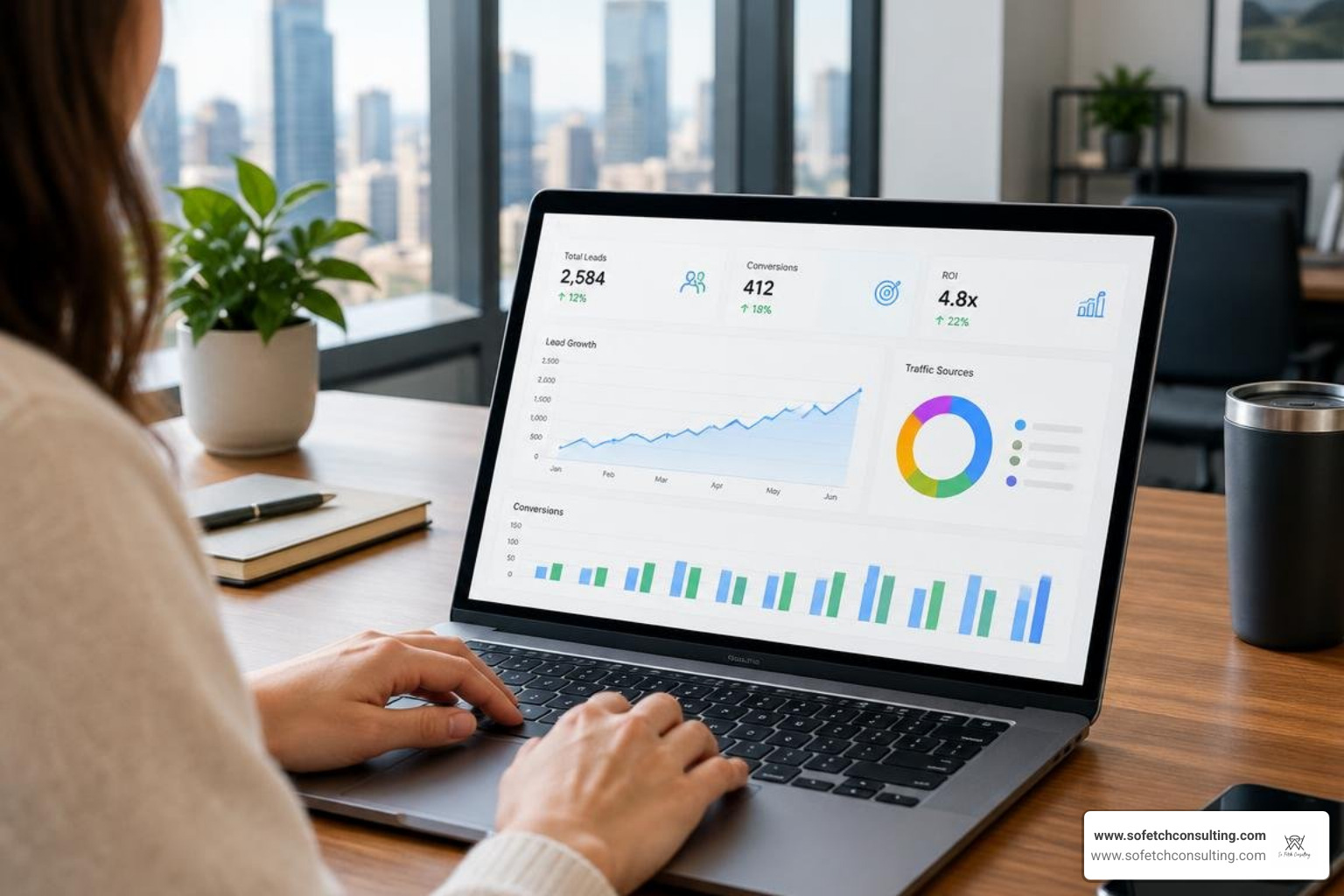
At So Fetch Consulting, we help ambitious founders and small businesses cut through the noise. Using our proven framework, The S3 System™, we design high-converting Squarespace websites, implement smart local SEO and paid search campaigns, and craft content strategies that turn everyday searchers into lifelong clients.
Ready to stop chasing cold leads and start attracting ideal clients who are excited to work with you? Explore our comprehensive approach to predictable lead generation and let us build your custom growth engine today.
